

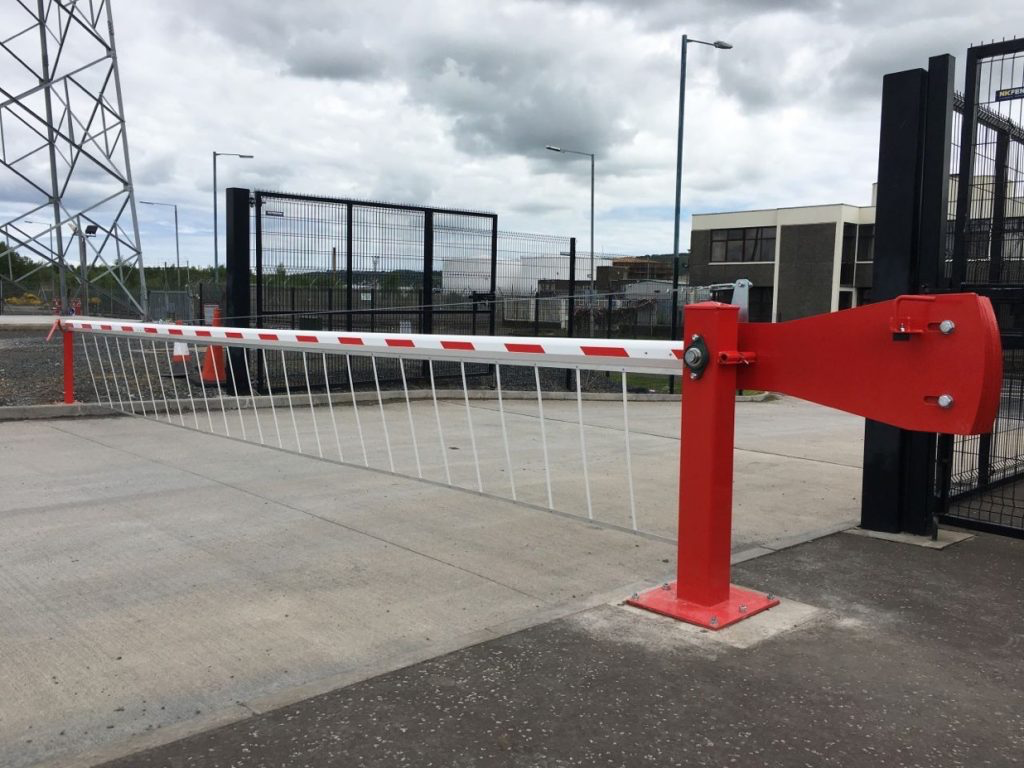
Automatic
Barriers
Automatic barriers and automatic parking barriers provide a controlled way to manage vehicle flow and protect restricted areas. The right system supports safer, more efficient site operation.
Every site has different traffic patterns, space constraints, and safety considerations. Our team advise on duty cycles, control methods, safety touchpoints, and how the barrier will integrate with wider access management systems.
This consultative approach gives architects, contractors, and facilities managers clarity during planning and ensures the finished solution is compliant, reliable, and built to perform over the long term.
Every site has different traffic patterns, space constraints, and safety considerations. Our team advise on duty cycles, control methods, safety touchpoints, and how the barrier will integrate with wider access management systems.
This consultative approach gives architects, contractors, and facilities managers clarity during planning and ensures the finished solution is compliant, reliable, and built to perform over the long term.
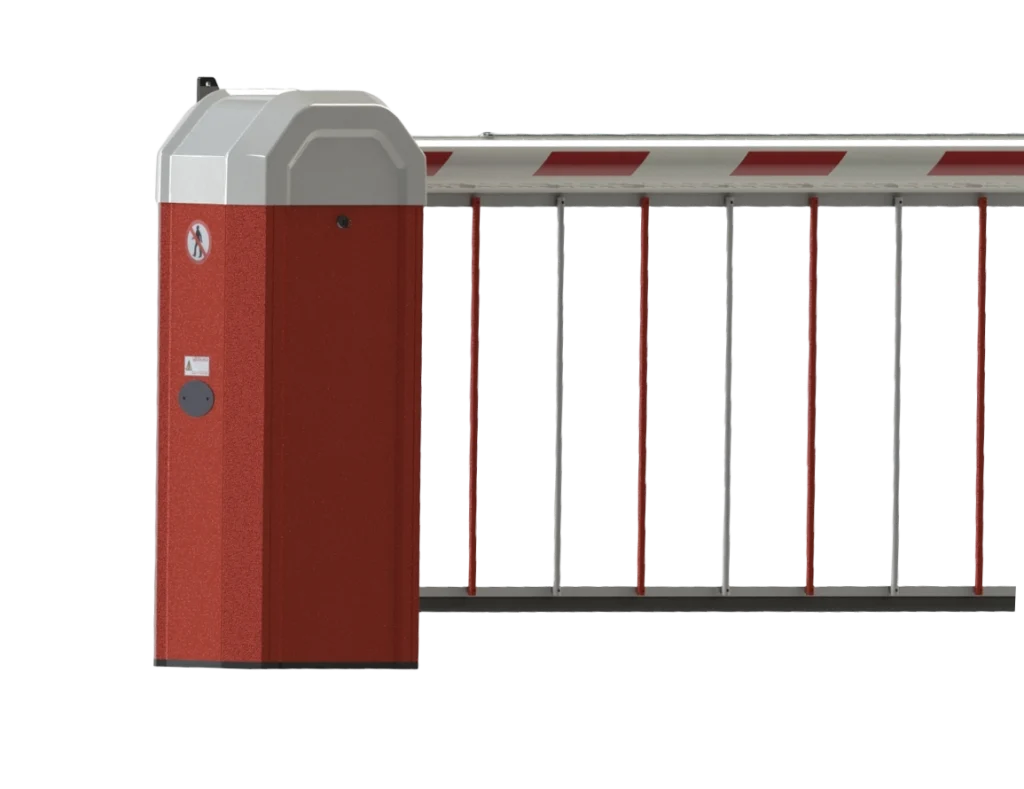

Manufactured in the UK

22 years’ experience

Delivered assembled, ready to install
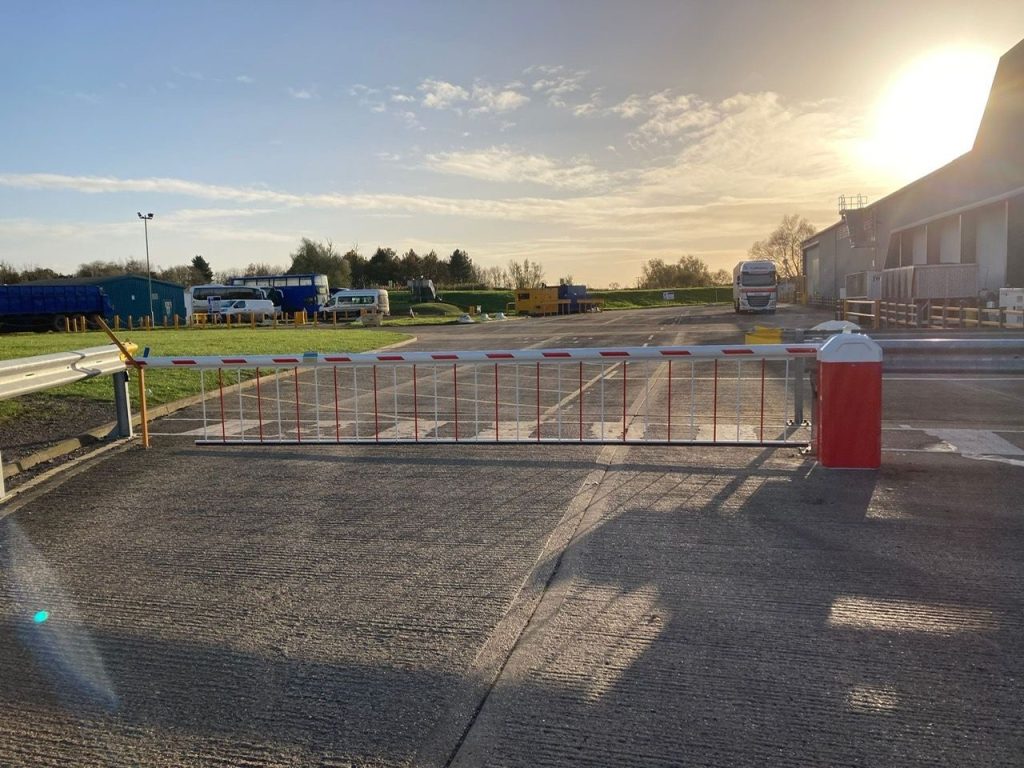
About Our Car Park Barriers
Car Park Automatic Barrier Systems
Introducing the PF6000 Automatic Barriers
The PF6000 range of automatic barriers use the latest technology to maintain a smooth operation.
Our integrated control unit allows single phase input to drive the motor and gearbox, providing high torque.
Barrier cabinets and poles are built from aluminium extrusions. Strong. Lightweight. Durable. One of the most elegant vehicular control solutions available on the market.
Our integrated control unit allows single phase input to drive the motor and gearbox, providing high torque.
Barrier cabinets and poles are built from aluminium extrusions. Strong. Lightweight. Durable. One of the most elegant vehicular control solutions available on the market.
PF6000 HD Automatic Barrier
Covering openings up to 9 metres, this car park automatic barrier system is designed for sites that require a robust, high-duty barrier capable of managing continuous vehicle movement throughout the day. Its heavy-duty construction provides consistent performance in busy commercial and industrial environments, offering a reliable way to control standard-width entry and exit routes. Available with bottom and hi-bar skirts.
Learn more
PF6000 LUX Automatic Barrier
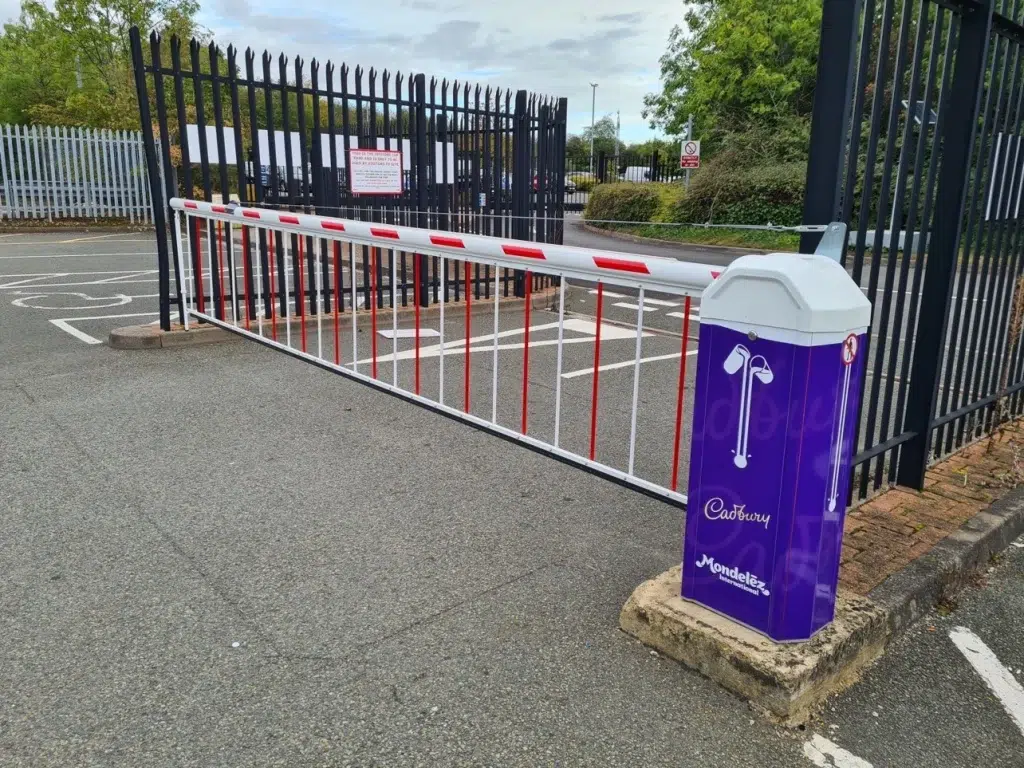
Covering openings up to 7 metres, the PF6000 LUX automatic parking barriers are engineered for sites that need reliable vehicle control with a refined aesthetic. Its design offers a balance of performance and visual appeal, making it well-suited to environments where appearance and daily operational demands carry equal weight. Available with bottom skirts.
Learn morePF6000S Automatic Barrier
Covering openings up to 6 metres, the PF6000S is a compact and reliable solution for managing standard width entry and exit routes. It is designed for sites that require dependable daily performance within a smaller footprint, making it suitable for car parks, commercial premises, and controlled access points with moderate traffic flow.
Learn more
Our Other Products
Browse our broad range of access management solutions.
Parking Facilities are the access management experts. No matter the solution your client requires, we can engineer what they need.
Sliding gates, bi-fold gates, swing gates, Smart Turnstiles and barriers; we do it all.

Frequently asked questions
Do you supply barriers for export projects?
Yes. UK-engineered systems can be supplied for overseas installations, complete with documentation, compliance support and integration guidance. Early-stage consultation ensures compatibility with local voltage and regulatory requirements. Please get in touch for more information.
Can barriers be specified alongside sliding or bi-folding gates?
Yes. On many sites, barriers manage daily vehicle flow while sliding or bi-folding gates provide perimeter security outside operational hours. Coordinated specification ensures consistent safety compliance and integration.
Are spare parts readily available?
Yes. The quickest way to order spare parts is through PFL Online. Alternatively, you can contact our sales team by calling 01827 870250.
What is the expected lifespan of an automated barrier?
When properly maintained, our automatic barriers can last 15+ years.
What maintenance is required?
Routine maintenance includes lubrication, inspection of safety devices, testing of control panels, checking fixings and verifying emergency release systems. High-use sites benefit from scheduled maintenance contracts to maintain compliance and minimise downtime.
How do environmental factors affect barrier performance?
Frost, standing water, debris, corrosion, high winds and coastal salt exposure can affect performance. Our galvanised steel housings with sealed motor units offer superior durability and are built to withstand temperatures ranging from -20°C to +60°C or +65°C with a vent kit (charges apply).
What standards, regulations or compliance requirements apply?
Key standards include BS EN 12453 for safety in use and UKCA marking for automated systems. Where barriers form part of a wider security perimeter, additional ratings such as LPS 1175 may apply to associated gate systems. Click here to learn more. Installations must also comply with UK health and safety law, including documented risk assessments and maintenance regimes.
What mounting, foundation or civil works are required?
Our automatic barriers require secure foundations capable of supporting the motor housing and resisting operational forces. This usually involves reinforced concrete pads, ducting for power and data, drainage considerations and ground levelling. Proper civil preparation is critical to long-term reliability.
Can barriers support smart or remote IoT control?
Yes. Our barriers use Feig control boards, which support IP connectivity, remote diagnostics and integration with cloud-based access platforms. This allows facilities teams to monitor status, manage permissions and review activity remotely.
Where required, GSM or network modules can be incorporated to provide secure off-site access and fault reporting, ensuring faster response times and improved operational control.
How do you integrate access control systems such as RFID, card readers or ANPR with barriers?
Our automatic barriers are built using Feig control boards, providing reliable integration with RFID readers, proximity cards, keypads and ANPR systems. Most commercial access platforms connect via volt-free contacts or IP-based triggers, allowing secure communication between the barrier and the chosen software system.
We also work alongside integration partners such as Arana Security where sites require coordinated vehicle access and wider security infrastructure. During survey stage, we assess power, cabling and network requirements to ensure smooth, compliant operation.
The Parking Facilities Process
As a specialist automatic barrier and automatic gate supplier, our process has been honed over two decades, helping us design, manufacture and deliver your chosen access management solution as effectively as possible.

Your order will come through to our sales team. You’ll automatically receive a New Client Brief Form, which is designed to ensure that we have all the details required to deliver the perfect product, every time.
At this stage, you will be provided with an estimate based on the New Client Brief Form. This will be a rough amount for the project, ready for you to sign off.
Once you’re happy with the estimate and all the details within are confirmed, we’ll raise an official quotation, confirm stock and set a delivery date.
You’ll receive full drawings and designs. Before any production commences, you’ll need to confirm that everything is correct and you’re happy to proceed.
Then the magic happens! Our in-house engineers will begin to manufacture your parking barrier, automatic gate or turnstile product, bringing your vision to life.
Once manufacturing is complete, our transport and dispatch team will arrange either delivery or collection based on your preference. If delivery is chosen, we’ll safely bring your product directly to where it needs to be.

NPSA and Security Gates in 2026: What Changed and What to Specify Instead
As of 1 January 2026, all fences and gates have been removed from the Catalogue…
Why Parking Facilities?
Browse what makes us the UK's leading supply partner for vehicular and pedestrian access management solutions.
Learn about usWant to talk to our access management experts?
Fill out the form and let us know what you need. We’ll get back to you as soon as possible.